If you’re asking how much does it cost to build a data center in 2026, a useful starting point is about $11.3 million per megawatt (MW), according to JLL. That figure covers the building’s shell and core, not the servers, storage, networking, or other technology that goes inside. Cushman & Wakefield reports that U.S. development costs have risen 21% per MW since its previous guide in late 2024. The real price depends on location, power access, cooling design, workload density, and how much equipment the project needs.
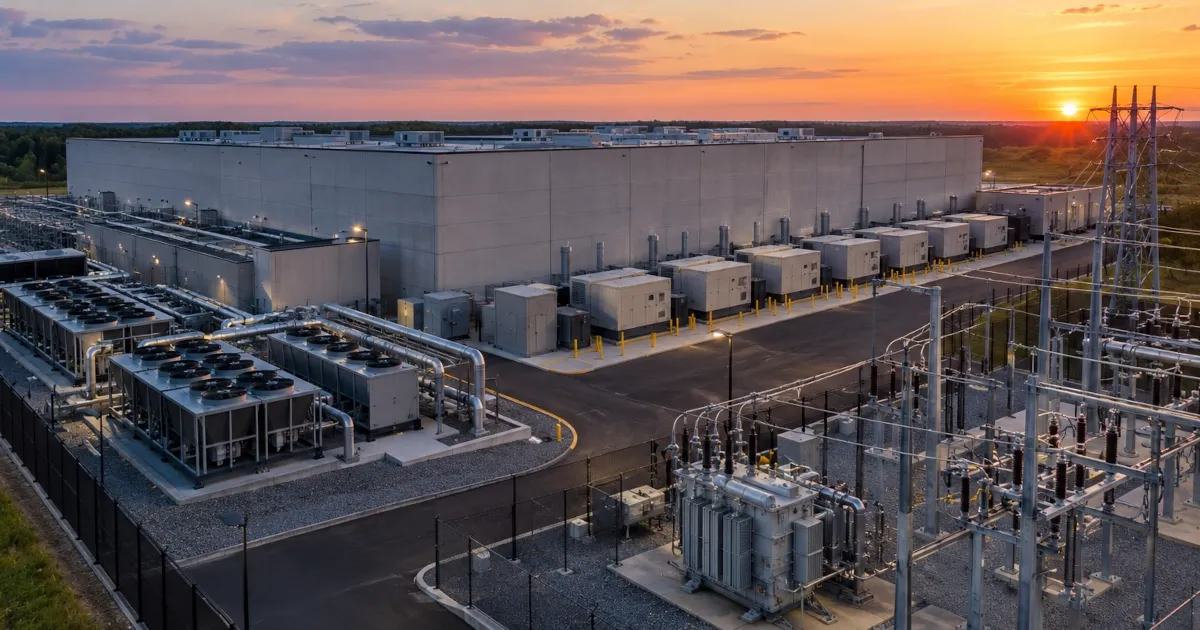
Quick answer: JLL forecasts an average global shell and core construction cost of $11.3 million per MW in 2026. Technology fit-out is separate and can cost as much as $25 million per MW for AI infrastructure. In the U.S., Cushman & Wakefield reports average greenfield costs of $17.6 million per MW for the most modern facilities and a 21% increase per MW since its prior guide. These estimates use different scopes and methods, so they are not direct substitutes for a project quote.
Data center construction cost per MW in 2026
JLL’s 2026 Global Data Center Outlook forecasts an average global construction cost of $11.3 million per MW, up 6% from 2025. JLL defines that figure as the cost to construct the shell and core. It excludes the tenant technology fit-out, which can add as much as $25 million per MW for AI infrastructure.
For a U.S. comparison, Cushman & Wakefield’s 2026 Data Center Development Cost Guide reports average greenfield costs of $17.6 million per MW for the most modern facilities. It also says development costs have risen 21% per MW since the guide’s previous edition in the fourth quarter of 2024. The report attributes the increase to equipment lead times, labor costs, and material inflation.
The numbers answer slightly different questions. JLL’s $11.3 million figure is a global shell and core benchmark. Cushman & Wakefield’s $17.6 million figure is a U.S. greenfield benchmark for modern facilities. Neither is a guaranteed price for a specific site, and neither should be treated as the complete cost of operating an enterprise data center.
Data center costs and what drives them
A data center budget covers more than a building. The major cost areas include:
- Land and site preparation: Land with a credible path to power can command a premium. Zoning, permitting, grading, water access, fiber routes, and road work also affect site cost and schedule.
- The shell and core: The building structure, secure areas, fire protection, and other base systems create the facility that houses the data center.
- Power infrastructure: Utility interconnection, substations, transformers, switchgear, backup generators, uninterruptible power supplies, and electrical distribution all add cost. Securing power can determine whether a site is viable at all.
- Cooling: Chillers, cooling towers, pumps, piping, and, for high-density workloads, liquid cooling systems must be designed around the equipment and heat load.
- Technology fit-out: Servers, GPUs, storage, network equipment, racks, cabling, and software are separate from the shell and core estimate. AI workloads can make this a major part of the total investment.
Cushman & Wakefield identifies grid-connected power scarcity, land constraints, skilled labor shortages, and long equipment lead times as major development pressures. Those costs can vary sharply by market and by the amount of power a project can secure.
The cost of waiting for power also belongs in the business case. JLL says the average wait for a grid connection in primary data center markets exceeds four years. During that wait, a company may keep paying to operate or extend its current environment, carry project and financing costs, or consider temporary power. A delayed start also delays the point when the facility can support production workloads.
Colocation pricing is rising in Atlanta
Colocation can avoid the land purchase, construction project, and some facilities operations. It does not guarantee cheaper capacity. Demand, available power, density requirements, contract term, and location all affect the quote.
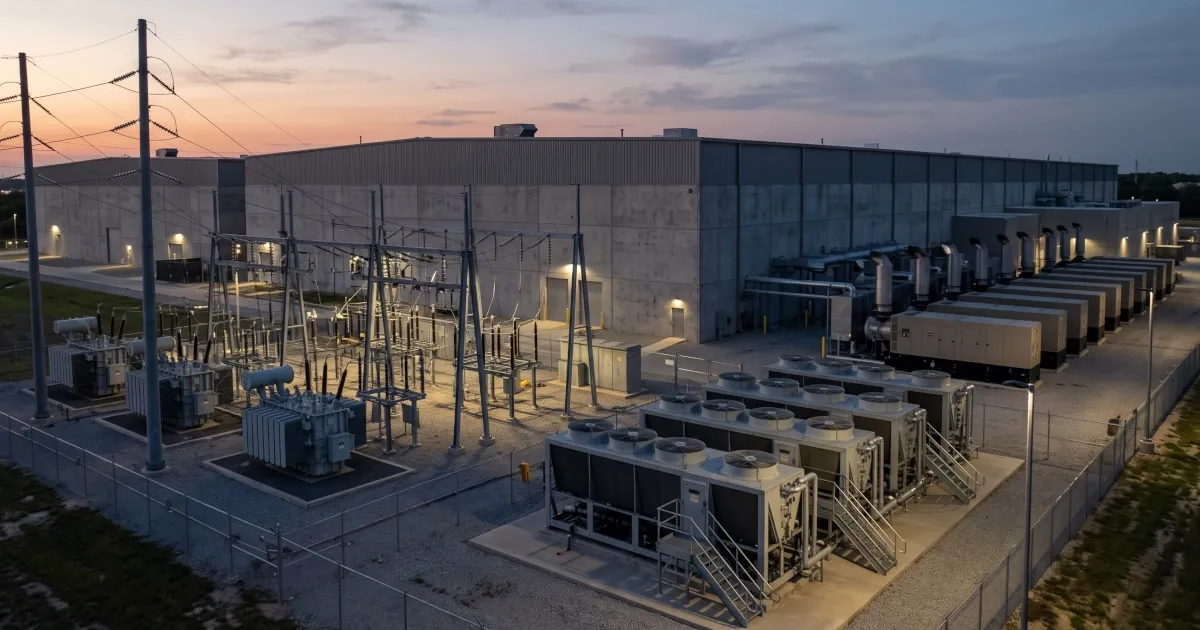
CBRE reported that vacancy across primary North American data center markets reached a record low of 1.4% in H1 2026. In the 10 MW and larger pricing tier, Atlanta asking rates rose 14.5% in H1. CBRE’s figures are asking rates for wholesale colocation, not a quote for every facility or customer requirement.
For Atlanta organizations, the local market is growing quickly, but available capacity and power remain important constraints. Compare a colocation proposal with a build using the same assumptions for committed power, density, redundancy, fit-out, energy, and contract length. A headline rate per kilowatt does not include every cost your team will carry.
The hardware inside costs more too
A facility budget can look manageable until the server, GPU, memory, and networking bill arrives. Procurement timing, lead times, and fast-changing component prices can shift the economics between the first estimate and the purchase order.
For more on current hardware pricing and availability, see ReluTech’s 2026 server hardware crisis article. The point for a data center project is straightforward: price the infrastructure that will run inside the building, not just the building itself.
Power keeps climbing
Power affects both the construction plan and the long-term operating budget. The U.S. Energy Information Administration’s October 2026 Short-Term Energy Outlook forecasts average wholesale electricity prices of $52 per megawatt-hour across 11 tracked hubs in 2026, 11% higher than in 2025.
That wholesale forecast is a market benchmark, not the rate a specific company will pay. Utility tariffs, demand charges, transmission, contract terms, and a facility’s load shape all affect the customer’s actual bill. For a build-versus-buy decision, model power by market and expected usage rather than applying a national wholesale average to the entire project.
On-prem vs cloud cost comparisons
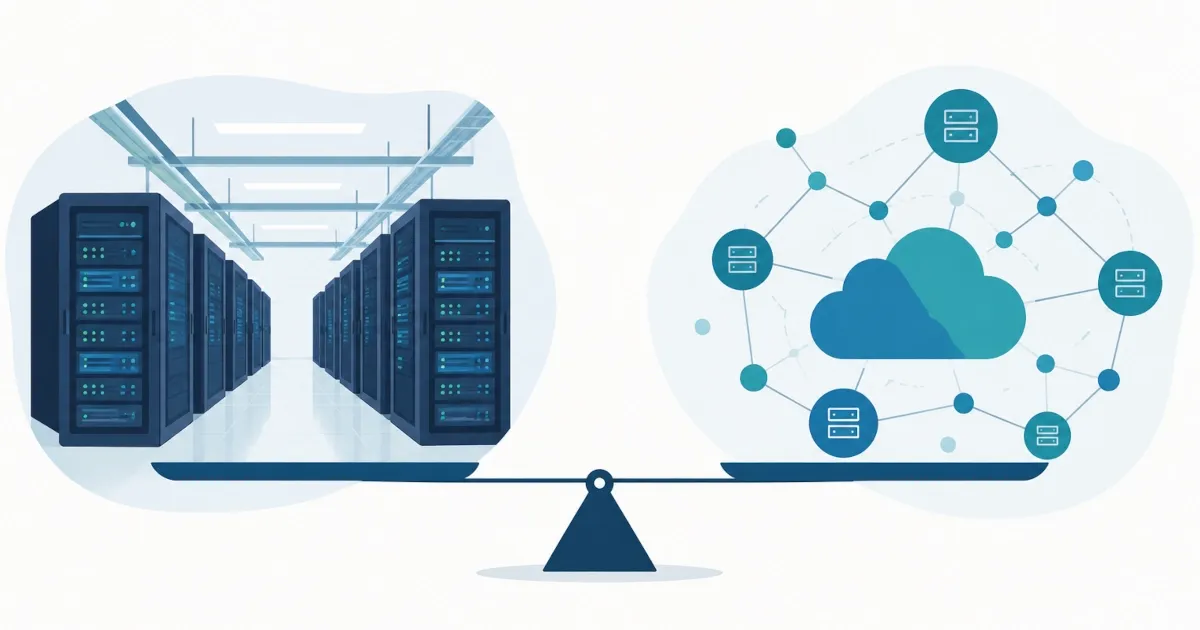
A fair comparison uses the full cost of running the workload, not a construction budget on one side and a cloud invoice on the other. Include hardware, facilities, power, cooling, maintenance, staffing, software licensing, backup and disaster recovery, refresh cycles, migration, data transfer, and cloud operations. Then compare the options over the same time horizon and expected utilization.
IDC’s June 2022 business value study, sponsored by Amazon, reported that interviewed AWS customers had 50% lower five-year operating costs for the workloads studied. IDC’s ROI model projected an average 413% five-year return and a 10-month payback for a smaller group of participants. These are study results from AWS customers, not a guarantee that every workload will achieve the same savings.
A separate 2024 Accenture study commissioned by AWS found that its reference workloads could be up to 4.1 times more energy efficient on AWS than on-premises. It also estimated that optimizing workloads on AWS could reduce the associated carbon footprint by up to 99%. Those findings depend on the workloads and assumptions in the study; they are not a universal estimate for every application or cloud provider.
The practical takeaway is not that every workload belongs in the cloud. It is that a new data center should compete against cloud, colocation, and continued use of existing infrastructure on a workload-by-workload basis. A build may fit organizations with sustained high utilization, specialized control or latency needs, and a secured power path. Many others can avoid a major construction commitment by using a mix of cloud services, colocation, and existing capacity.
Turn existing hardware into a down payment
Before approving a new build or a cloud migration, look at the infrastructure already on the balance sheet. Equipment that is no longer needed may have resale value. Equipment still needed during a transition may support a purchase leaseback, where an organization sells eligible hardware and leases it back while workloads move on its schedule.
ReluTech can assess options such as hardware buyback and purchase leaseback alongside maintenance savings and decommissioning plans. For eligible AWS migrations, these options may be considered with AWS Migration Acceleration Program (MAP) funding, subject to program and project requirements. ReluTech and EPI-USE have described combining buyback and leasing options with MAP in a migration program announcement. See the data center exit planning guide to plan asset disposition and transition timing, and use the AWS migration checklist to organize the workload assessment.
This can change the funding conversation. Instead of treating legacy equipment only as a cost to remove, a company can estimate whether its asset value and avoidable support costs can help fund migration or modernization.
Get a Migration IQ assessment
A data center build decision should start with an inventory and a workload plan. ReluTech’s Migration IQ (MIQ) assessment helps estimate available hardware value, potential maintenance savings, migration funding, and costs tied to delaying a move.
Request a ReluTech MIQ assessment to see what your current infrastructure could contribute before you commit to a new facility, a colocation contract, or a cloud migration.
