


Extended Equipment Lifespan
Don’t replace; rejuvenate! We’ll extend the lifecycle of your current equipment, ensuring better ROI.
Loading...
Third-party maintenance (TPM) is a type of hardware support provided by a company other than the original equipment manufacturer (OEM). TPM can be a helpful solution for post-warranty maintenance when the OEM stops supporting legacy servers, storage, or networking equipment.
For example, TPM can cover support for an IBM PS700 Blade that is no longer under warranty after reaching end-of-service-life (EOSL). The level of service selected for IBM Third Party Maintenance or other TPM varies and can include phone and online technical support, component coverage and replacement, on-site engineering assistance, remote monitoring, operating system support, global multi-vendor support, and even proactive maintenance and cost-management strategies.
TPM provides additional support for businesses using legacy equipment that might not otherwise have any post-warranty coverage. This type of maintenance service helps organizations avoid unexpected downtime and reduce costs associated with repairing or replacing older hardware.
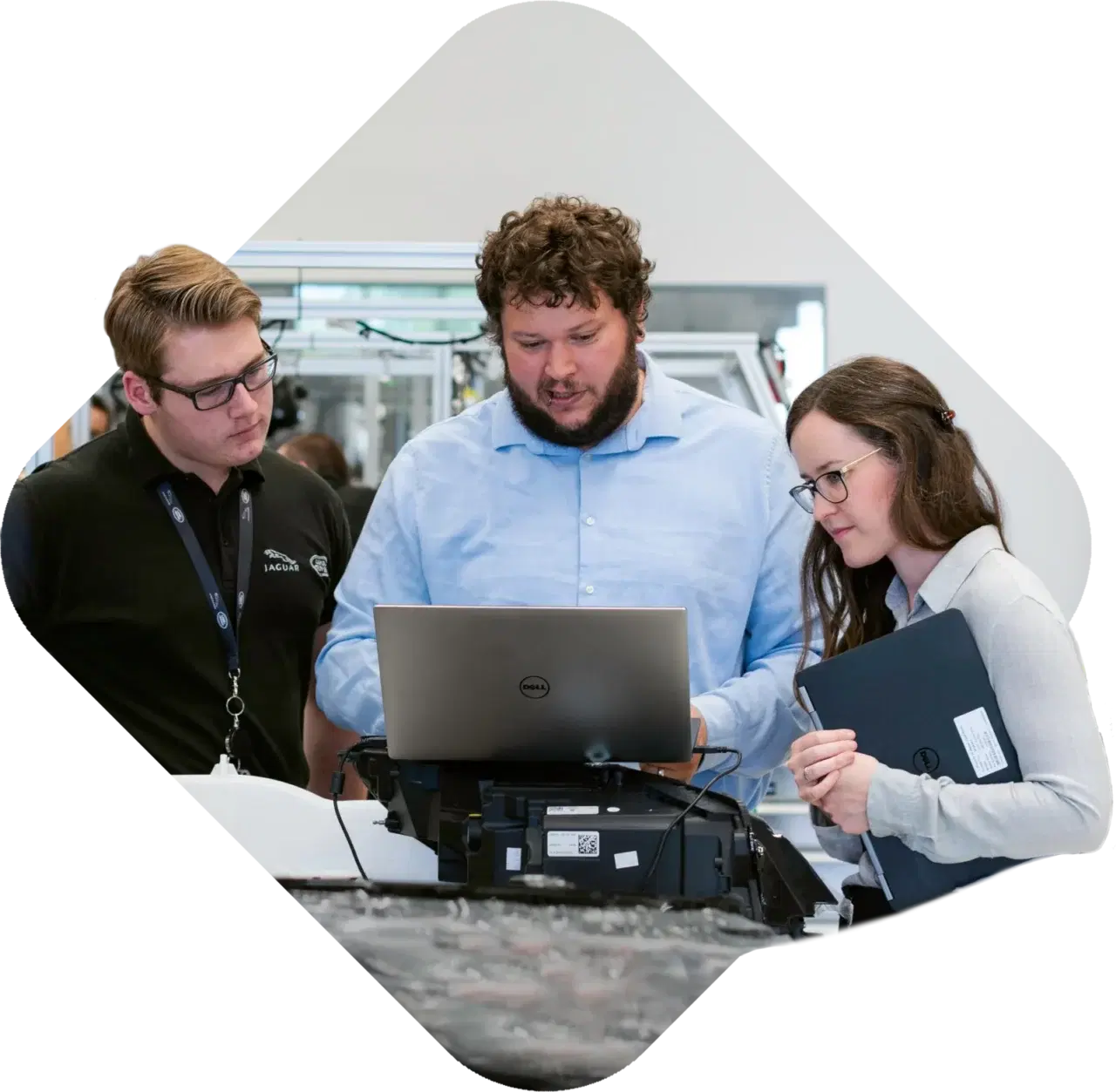
Our talented engineers are certified across a broad range of OEM platforms, delivering exceptional multi-vendor support. From Cisco to Dell, IBM, HP, and more, we provide an unparalleled level of service regardless of your infrastructure mix.
The advantages of third-party maintenance include scalability, improved performance, and flexibility.
Let's take a look at TPM's benefits in more detail:
TPM generates significant cost savings compared to maintaining hardware with the OEM. In many cases, TPM contracts are 50% to 70% less expensive than the cost of OEM maintenance.
TPM providers often have a global network of certified engineers who can provide same-day or next-business-day (NBD) onsite support. TPM providers also offer a diverse set of Support Level Agreements (SLAs) that can be customized to meet your organization's specific needs.
TPM allows for longer hardware life expectancy because TPM providers often have access to replacement parts that the OEM no longer manufactures.
TPM also provides more flexibility when it comes to coverage. For example, you may only need coverage for certain parts of your system or for certain hours of the day. With TPM, you have the flexibility to choose the coverage that makes the most sense for your organization.
As TPM becomes more mainstream, vendors are beginning to offer similar services for multi-vendor environments. This can be a big benefit for organizations that maintain a mix of hardware from different manufacturers.
When should your organization turn to third party hardware support? Here are some examples of when switching to TPM may be a good idea for you and your business:
You receive notice that your equipment is coming up on end of life (EOL) and now you are faced with either choosing for your hardware to go unsupported or paying the OEM more to cover your EOL assets.
You might consider running your equipment without support because your current IT team has the knowledge to keep it up and running. However, this can put you in a tight spot if your team is unavailable for whatever reason. Whether that be a reduction in workforce, vacation, or sick leave, you always want redundancy of skill to handle these situations. That's when TPM is the better option.

When it comes to maintaining your mission-critical infrastructure, there's simply no substitute for dedicated support from a reliable third-party provider. Without this level of protection, your team may not be able to acquire replacement components or install and configure them properly, putting your entire operation at risk.
A quality third-party maintenance provider will not only keep your systems up and running, but also save you a significant amount of money in the process. If you're looking for peace of mind and cost savings, we recommend partnering with a reputable third-party maintenance provider.
If you have not purchased an extended warranty for your assets and they're approaching End of Service Life or even End of Life, the OEMs will not provide service for your hardware. If the OEM does provide service, it likely will not be a long-term solution and ultimately they will try to upgrade you to new hardware unless you run your environment without coverage.
If you are working within a tight budget and there is no reason to decommission your current hardware, using TPM maintenance providers will help you maintain your current hardware while saving your budget.
TPM providers often have a global network of certified engineers who can provide same-day or next-business-day (NBD) onsite support. TPM providers also offer a diverse set of Support Level Agreements (SLAs) that can be customized to meet your organization's specific needs.
If you're experiencing bandwidth issues with your IT team, you might need to consider outsourcing maintenance to a third-party provider. This can be especially helpful if you have a smaller IT team or if your regular staff isn't equipped to handle the demand.
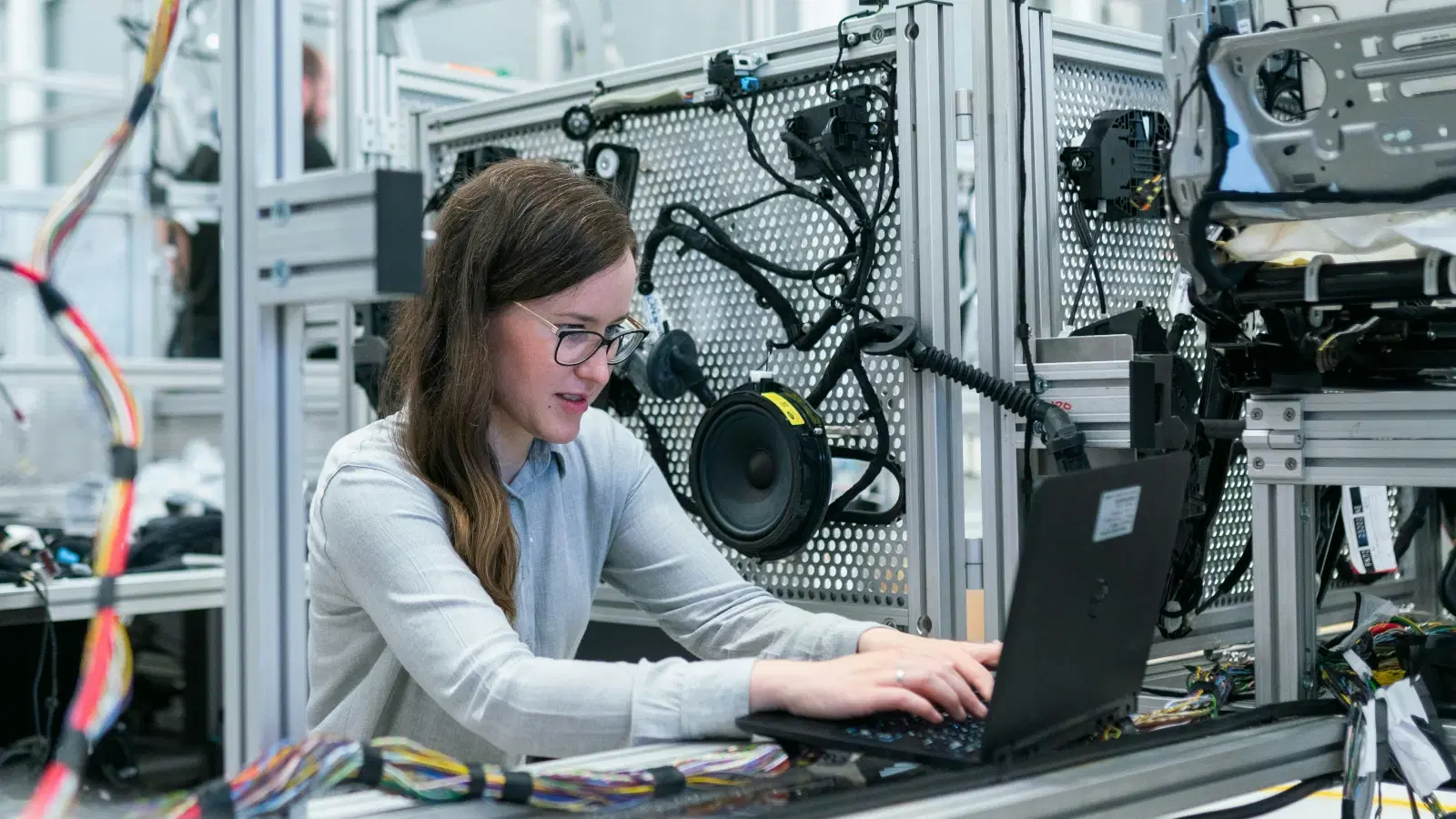
Third-party maintenance providers can offer you the necessary help at a fraction of the cost of hiring new staff or expanding your department. Plus, you won't have to worry about issues escalating quickly and overwhelming your team.
When moving to the cloud, most companies are surprised to find out they need short-term coverage to bridge the gap between on-premise and cloud solutions. Costs increase while you're moving to the cloud because you are essentially running two environments at once. This inflated cost is often referred to as the "double bubble".
OEMs lack the flexibility to deal with the unforeseeable time scales and the decommissioning of assets at different times. Even if you only need a couple of months of protection, an OEM might get you to buy a full year of coverage.
Therefore, third-party maintenance providers are indispensable during a cloud migration. Some providers even offer short-term solutions, ranging from one month and upwards. This way, you won't drain your budget on assets you ultimately do not need. Look into providers that can offer you capital upfront and then lease back the assets you need and decommission them within your time frame.
Request a Quote
Determine how much you can save by switching to our third-party maintenance services.
Infrastructure Details
Our talented engineers are certified across a broad range of OEM platforms, delivering exceptional multi-vendor support. From Cisco to Dell, IBM, HP, and more, we provide an unparalleled level of service regardless of your infrastructure mix.
Don’t replace; rejuvenate! We’ll extend the lifecycle of your current equipment, ensuring better ROI.

Cut down on costs without compromising quality. Our services typically cost 50-70% less than original equipment manufacturer (OEM) contracts.

Tailor-made solutions to fit your exact needs. Bid goodbye to one-size-fits-all OEM contracts.

Round-the-clock experts on standby. Less waiting, more doing.
ReluTech, we believe in extending the life of your IT assets to avoid a refresh. Unlike the original equipment manufacturer (OEM) services, our third-party maintenance solution provides cost-effective, personalized service that extends the life of your IT equipment. We optimize your IT budget by offering services that are typically 50-70% less expensive than manufacturer support contracts.
Experience exceptional 24/7 customer support with ReluTech. Our dedicated team of experts is always ready to address your concerns and provide you with the best possible solutions at the right level of response.
Experience a more efficient, cost-effective, and personalized approach to third-party IT maintenance with ReluTech. As a leading provider of IT infrastructure support, we help businesses reduce costs, extend the life of their equipment, and achieve their business goals.
Our monitoring solution with your data center hardware ensures potential issues are identified and addressed before they cause any disruption. Using advanced monitoring tools, we keep a remote view of your IT systems, ensuring their optimal performance.
Our vast network of engineers and specialists spans the globe. This means we can offer local, personalized services on a global scale. Wherever you are, our world-class support is never far away.
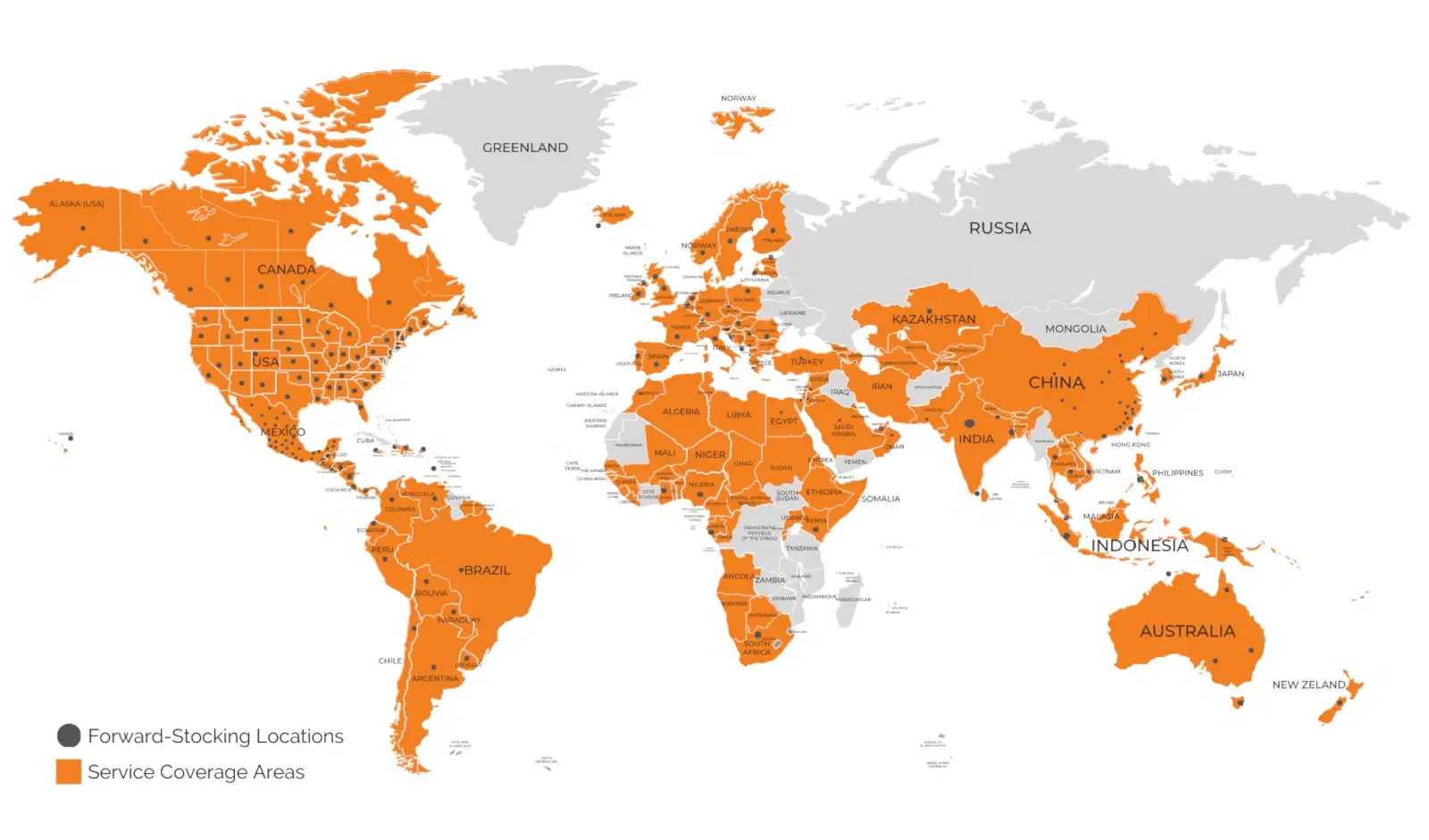

Our team comprises industry-certified professionals ready to resolve any difficulty you are facing with your hardware.
Because every second counts. Our quick response ensures that issues are resolved promptly.
Choose from various service level agreements (SLAs) tailored to meet your unique requirements.
No hidden fees. No surprises. Only straightforward, competitive pricing.
Invest in Maintenance That Matters. Choose ReluTech Today.
Third-party maintenance (TPM) is post-warranty and ongoing hardware support delivered by an independent provider instead of the OEM. It typically covers break/fix repair, parts, and SLA-backed response for servers, storage, and network gear. ReluTech TPM is multi-vendor, so one contract can span Cisco, Dell, HPE, IBM, NetApp, and other common data-center platforms.
TPM is usually priced well below OEM maintenance (ReluTech commonly cites about 50–70% savings versus OEM), with more flexibility on contract length and mix of vendors. OEMs excel at brand-new platforms and firmware ecosystems they control; TPM shines when you need cost control, EOSL coverage, coterminous renewals, or support during a long cloud migration without locking into OEM refresh cycles.
Yes. Extending useful life past OEM support windows is a core TPM use case. ReluTech supports many EOL/EOSL platforms with parts strategies and SLAs matched to how critical the workload still is. Pair this with the ReluTech EOL/EOSL resource pages when you need model-level detail.
Yes. Hybrid maintenance is common: keep OEM where you need it (new platforms, specific firmware entitlements) and move stable or aging fleets to TPM. ReluTech can design multi-vendor coverage so tickets and renewals are simpler than juggling several OEM portals.
Prioritize multi-OEM depth (not a single-line specialist if your estate is mixed), proven enterprise SLAs and parts logistics, clear ticket / portal workflow, geographic coverage that matches your sites, and a team that advises on renewals and decommission timing—not only break/fix. Ask for references in your industry and confirm how EOSL parts are sourced.
Migrations rarely empty the data center overnight. TPM lets you right-size spend on remaining on-prem gear (often called a double-bubble period) while workloads move. Combine TPM with MIQ for a view of buyback, maintenance savings, and VMware support options so migration funding and run-cost stay visible together.
Coverage includes major enterprise brands such as Cisco, Dell, HPE, IBM, NetApp, EMC, Hitachi, Brocade, and related platforms. Exact SKU support depends on the fleet—share a bill of materials for a precise coverage and savings estimate.